Get Basement Underpinning in Colorado Springs, CO
Basement underpinning services help Colorado Springs property owners strengthen, stabilize, or expand their basements to address foundation issues, uneven floors, or space needs.
Basement underpinning services are an important consideration for property owners in Colorado Springs, CO who are looking to enhance the stability and usability of their homes. Whether addressing foundation concerns, preparing for future renovations, or increasing living space, understanding the options available can help ensure a successful project. Local contractors specializing in underpinning can provide valuable insights into the most effective approaches, tailored to the unique conditions of the Colorado Springs area.
Exploring different service providers allows homeowners to compare methods and expertise to find the best solution for their needs. Planning a basement underpinning project involves careful assessment and coordination with experienced local contractors who understand the regional challenges and building requirements. Keep reading to learn more about how professional underpinning services can support property improvements and stability.
- Basement Underpinning - needed when a home's foundation has shifted or settled, causing structural concerns in neighborhoods across Colorado Springs.
- Foundation Stabilization - required if cracks or uneven floors develop due to soil movement affecting residential basements in nearby areas.
- Structural Reinforcement - necessary when upgrading or enlarging a basement space while ensuring safety and stability.
- Foundation Repair - sought after when signs of sinking or cracking appear in basement walls in local communities.
- Underpinning for Remodels - essential for homeowners planning basement renovations that require a solid, level foundation.
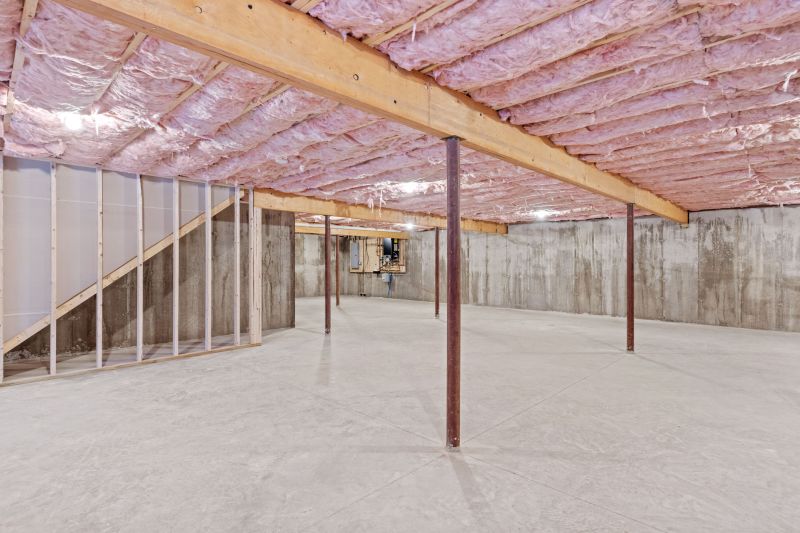
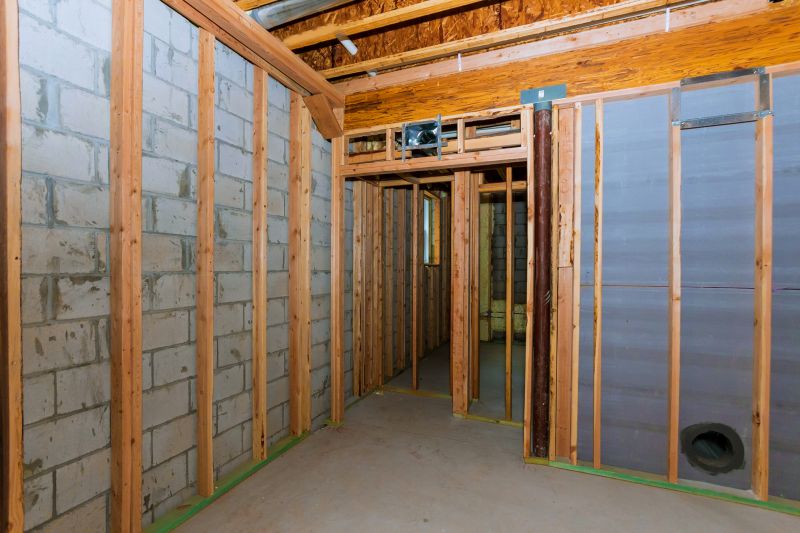
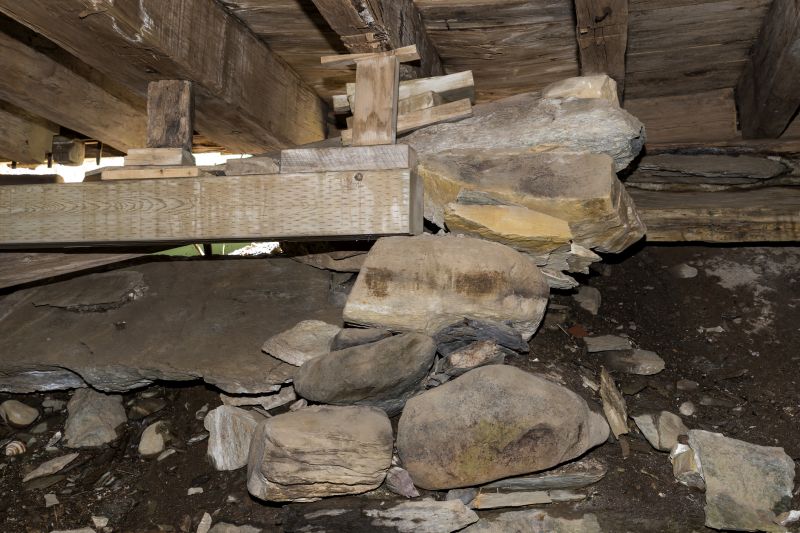
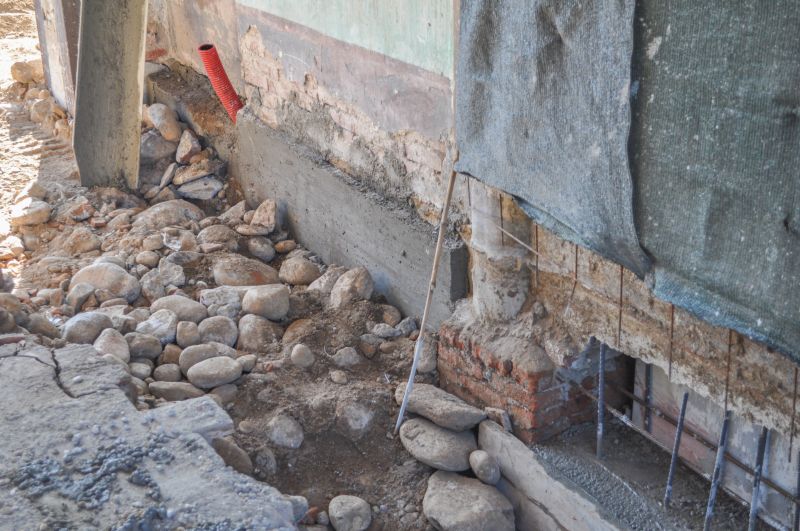
Basement underpinning services involve strengthening and stabilizing the foundation of a property by extending or modifying the existing basement walls and footings. This process typically includes excavating around the existing foundation, then installing new supports, piers, or underpinning walls to provide additional stability. The goal is to ensure the foundation can safely support the structure above, preventing issues such as settling, shifting, or cracking. Skilled contractors use specialized techniques and materials to reinforce the basement, helping to maintain the integrity of the entire property.
This service is often needed when homeowners notice signs of foundation problems, such as uneven floors, cracks in walls or ceilings, or doors and windows that no longer close properly. Basement underpinning also addresses issues caused by soil movement, water damage, or poor initial construction. By stabilizing the foundation, underpinning can prevent further damage and reduce the risk of costly repairs down the line. It is an essential solution for properties experiencing structural shifts or for those planning to finish or remodel their basement space.
Properties that typically benefit from underpinning include older homes with original foundations, homes built on expansive or shifting soils, and structures that have experienced previous settling or damage. Both residential and commercial buildings can require underpinning services, especially when new construction or renovations alter the load or weight distribution on the foundation. In areas like Colorado Springs, where soil conditions can vary, underpinning helps ensure that the foundation remains stable and secure over time.
Homeowners should consider underpinning services if they observe signs of foundation distress or are planning significant renovations that could impact the structure’s stability. It is also a practical step for those purchasing older homes or properties with known foundation concerns. Connecting with experienced local contractors can help determine if underpinning is the right solution to protect the property’s value and safety. These specialists can assess the situation and recommend the most appropriate methods to reinforce the foundation effectively.
The overview below groups typical Basement Underpinning projects into broad ranges so you can see how smaller, mid-sized, and larger jobs often compare in Colorado Springs, CO.
In many markets, a large share of routine jobs stays in the lower and middle ranges, while only a smaller percentage of projects moves into the highest bands when the work is more complex or site conditions are harder than average.
Smaller Repairs - Typically, local contractors charge between $250 and $600 for minor underpinning fixes, such as stabilizing a small section of a basement. Many routine repairs fall within this range, making it a common cost for straightforward projects.
Moderate Projects - More extensive underpinning work, including partial foundation stabilization, generally ranges from $1,000 to $3,500. These projects are common for homes with noticeable settling or minor structural concerns.
Full Basement Underpinning - Complete underpinning of an entire basement can cost between $10,000 and $30,000, depending on the size and complexity. Larger, more complex projects are less frequent but can reach higher costs if additional structural work is needed.
Complex or Custom Work - Highly customized underpinning solutions, such as underpinning for historic or irregularly shaped foundations, can exceed $50,000. These are less common and typically involve specialized techniques and materials.
Actual totals will depend on details like access to the work area, the scope of the project, and the materials selected, so use these as general starting points rather than exact figures.
Foundation Repair - foundation repair projects often require similar planning and skills as basement underpinning to stabilize and strengthen building structures.
Concrete Lifting and Leveling - this work involves lifting and leveling uneven slabs, which shares techniques used in underpinning to improve foundation stability.
Sinkhole Repair - repairing sinkholes involves soil stabilization and ground support methods comparable to those used in basement underpinning.
Retaining Wall Installation - constructing retaining walls requires soil analysis and structural planning similar to underpinning foundations.
Basement Waterproofing - waterproofing basements often accompanies underpinning projects to prevent moisture issues in stabilized structures.
Soil Stabilization - soil stabilization techniques are used to improve ground conditions, supporting underpinning and foundation reinforcement efforts.
When evaluating contractors for basement underpinning projects, it’s important to consider their experience with similar types of work. Homeowners should look for service providers who have a proven track record in underpinning projects comparable to their own, as this can indicate familiarity with the specific challenges and techniques involved. Asking for examples of past work or seeking references from previous clients can provide insight into a contractor’s capabilities and reliability, helping to ensure the selected professional has successfully handled projects of a similar scope and complexity.
Clear, written expectations are essential when comparing local contractors. Homeowners should seek detailed proposals that outline the scope of work, materials to be used, and the estimated process for completing the project. Having this information in writing helps prevent misunderstandings and provides a basis for comparison among different service providers. It also allows homeowners to verify that all necessary aspects of the project are addressed, from preliminary assessments to final inspections, ensuring transparency and clarity throughout the process.
Effective communication and reputable references are key indicators of a dependable service provider. Homeowners should prioritize contractors who are responsive to inquiries and willing to answer questions thoroughly, as this reflects their professionalism and commitment to client satisfaction. Additionally, obtaining references from previous clients can offer valuable perspectives on the contractor’s work ethic, punctuality, and ability to manage projects smoothly. While the site connects homeowners with local options, it’s important to remember that the selection process involves evaluating these qualities to find a contractor capable of delivering quality underpinning services tailored to the specific needs of the home.
Property owners in Colorado Springs, CO use Basement Underpinning services for practical projects around their homes and businesses. This guide focuses on everyday jobs and straightforward project options.
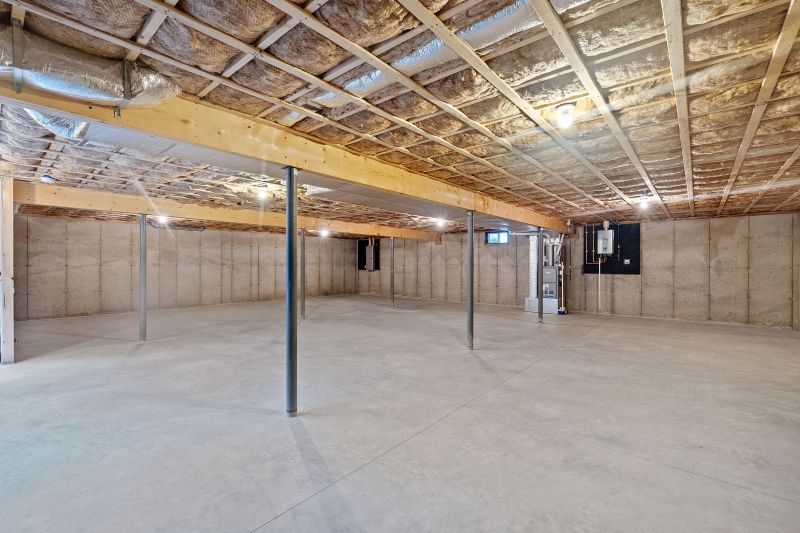
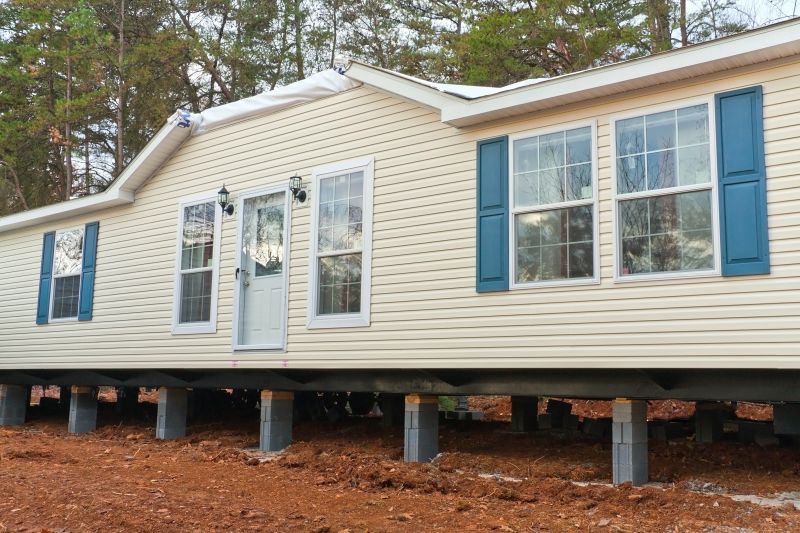
Basement underpinning services are often needed when property owners in Colorado Springs notice signs of foundation settling or shifting. Common situations include uneven floors, cracked walls, or doors and windows that no longer close properly. These issues can arise from the area's soil conditions and weather patterns, prompting homeowners to seek experienced contractors who can stabilize and reinforce their foundations to prevent further damage.
Property owners may also look for underpinning work when planning home additions or renovations that require a stronger, more stable base. In some cases, older homes may need foundation support to meet safety standards or to address existing structural concerns. Local contractors specializing in underpinning can assess the situation and provide solutions tailored to the specific needs of homes in Colorado Springs, helping to protect the property's long-term stability.
What is basement underpinning? Basement underpinning involves strengthening and stabilizing the foundation of a basement to prevent or repair structural issues caused by settling or shifting soil.
When should I consider underpinning for my basement? Underpinning may be needed if there are signs of foundation movement, such as cracks in walls, uneven floors, or doors that don't close properly.
What methods do local contractors use for basement underpinning? Contractors typically use techniques like piering, underpinning with concrete or steel piles, or slab jacking to reinforce and stabilize the foundation.
Are there different types of underpinning techniques? Yes, options include traditional underpinning, pier and beam underpinning, and helical or push piers, depending on the specific foundation needs.
How can I find experienced basement underpinning service providers? Contacting local contractors who specialize in foundation repair and underpinning can help connect with qualified service providers in the area.
Foundation Stabilization - Property owners can work with local contractors to reinforce and stabilize a sinking or shifting foundation, helping to prevent further damage.
Basement Leveling - Homeowners experiencing uneven floors or cracked walls can seek services to level and support basement structures for improved safety and comfort.
Structural Repair Planning - Planning for future renovations or additions may involve consulting local pros to ensure the basement’s underpinning can support new loads.
Moisture and Drainage Solutions - Addressing water issues in the basement can be complemented by underpinning services that improve drainage and reduce moisture risks.
If you are thinking about Basement Underpinning for a property in Colorado Springs, CO, this guide is meant to help you understand the work, the typical project types, and how different options might fit your plans.
When you are ready, you can use the quote form on this page to share a few details about your project. From there, local pros can review the basics and respond with options that match what you have in mind.